
Collaborate and Deliver: Objective Alignment and Key Results
When HR administrators and their mangers are thinking of implementing a goal setting process for their teams, they often have two important considerations.
Table of Contents
When HR administrators and their mangers are thinking of implementing a goal setting process for their teams, they often have two important considerations:
- How do employees align their objectives around broader company priorities?
- How can staff be as specific as possible when outlining their targets?
We got answers!
Alignment through Categories
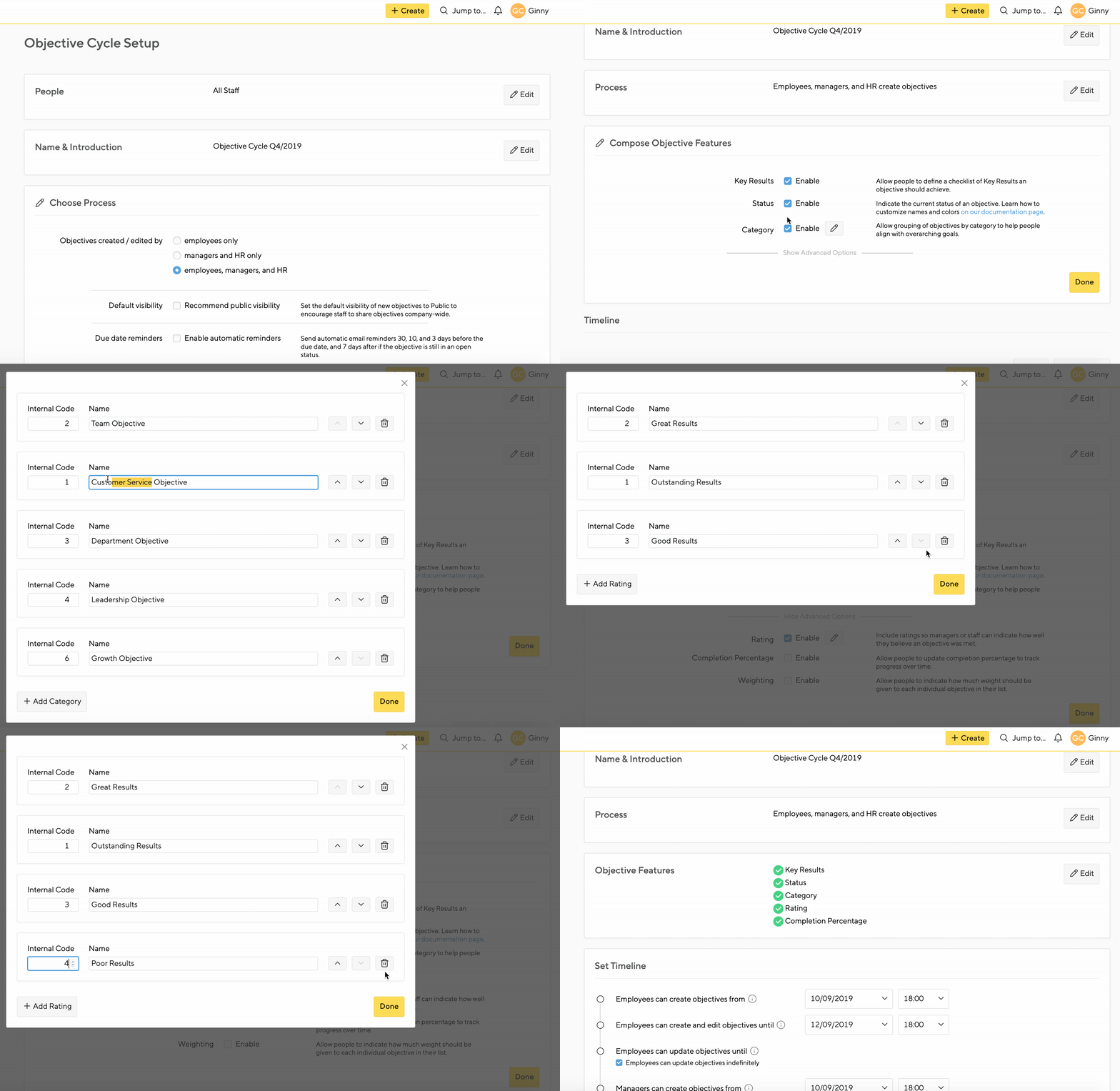
We tackle lightweight goal alignment via the ability customize categories by each new cycle, instead of globally locking categories for all objective cycles your HR Admins create as was once the case in an earlier iteration of the tool.
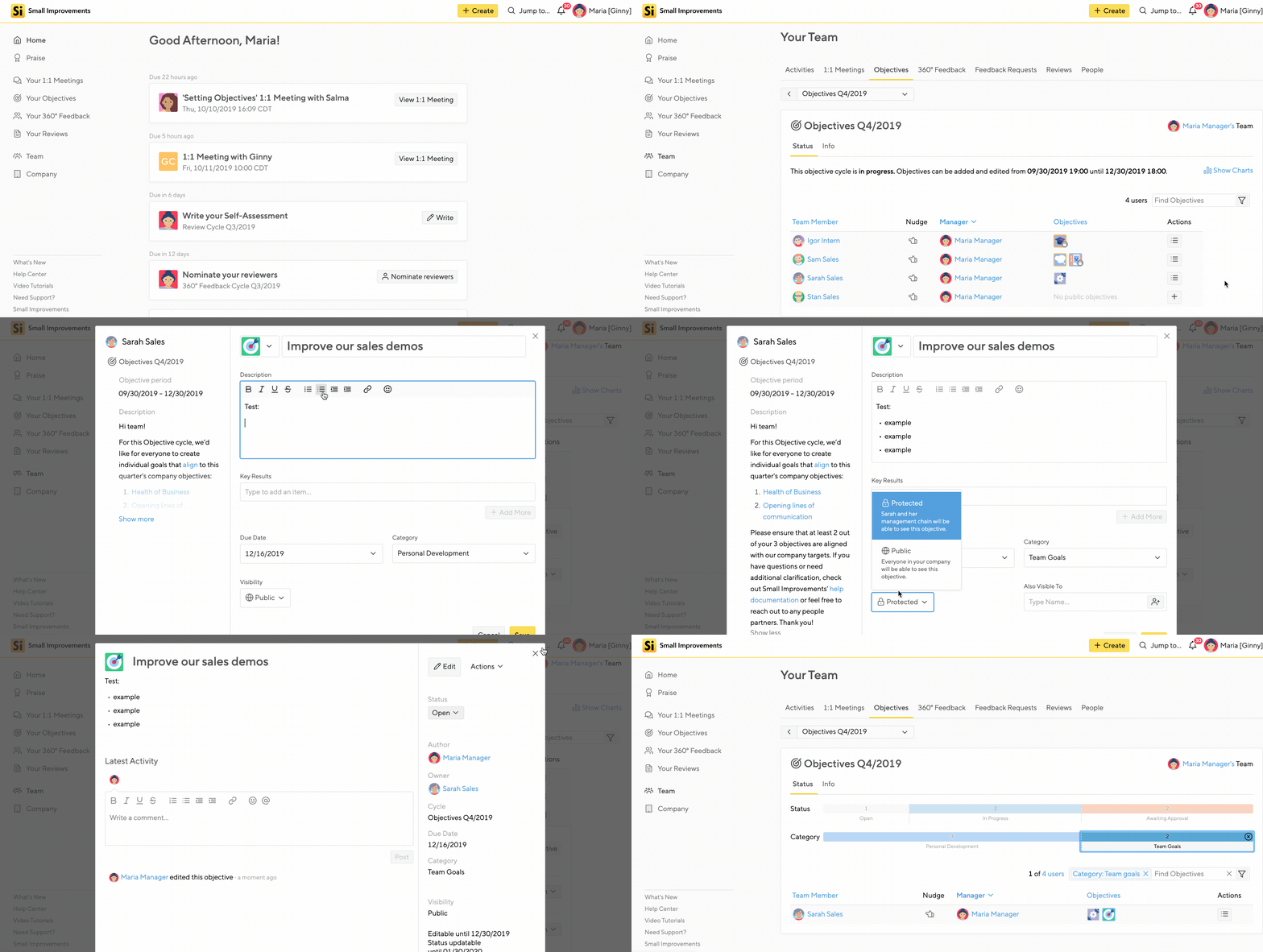
With this enhancement- HR Admins can now create cycles centered around company priorities, and by customizing the cycle’s categories to cross reference these priorities- Managers and their teams can align their goals to these “bigger” company directives.
It works even better if HR Admins utilize the introduction field of a cycle to detail (or hyperlink to) the company priorities.
Admins or the top of the org structure could even create a company goal within the tool (they or the CEO would “own” the goal), make it publicly visible to all, and then hyper link to that goal from the cycle introduction- Thus keeping users in the platform when communicating broader company priorities.
How an HR Admin can enable:
What it looks like when setting an objective:
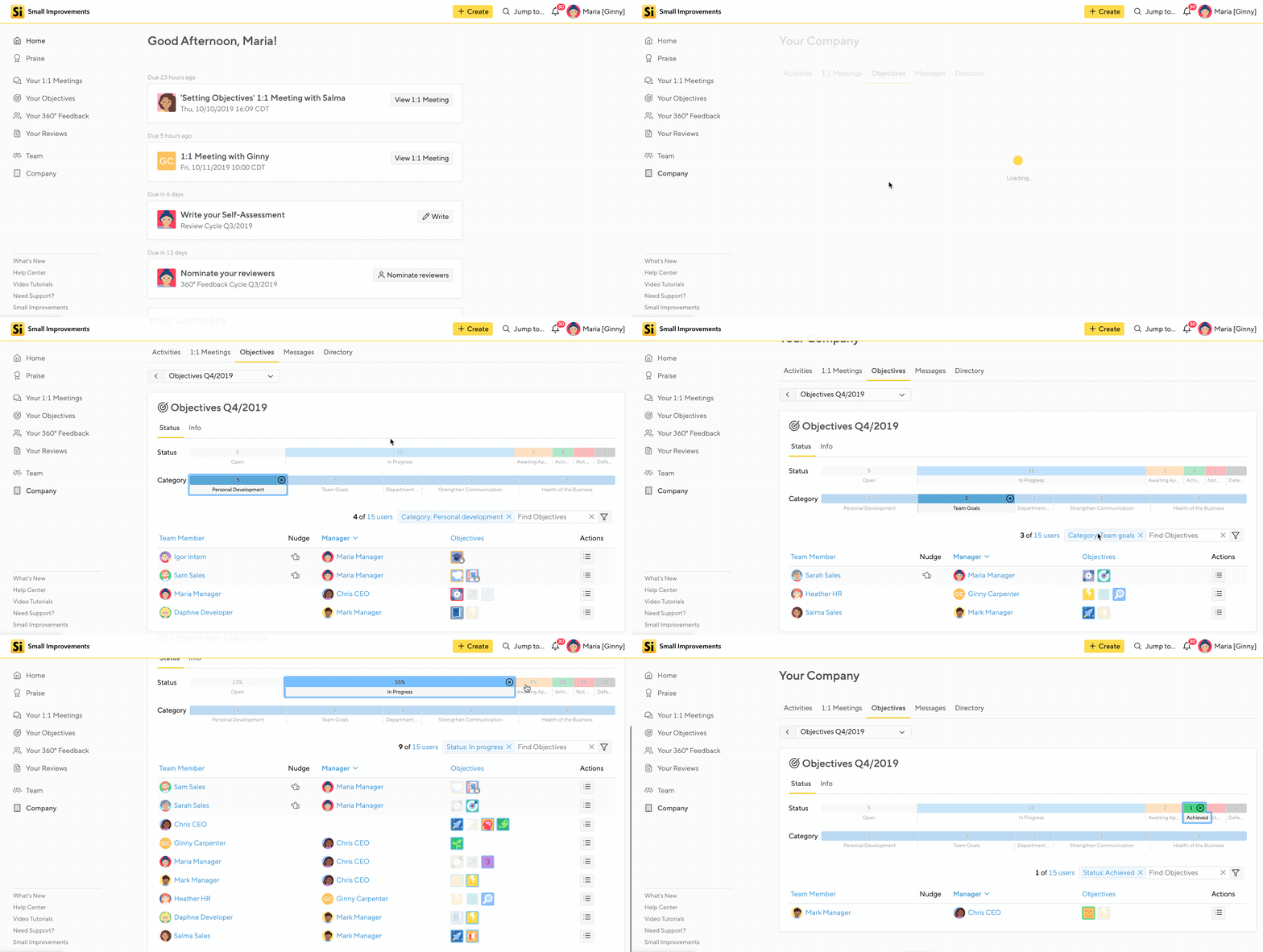
And check how easy it is to see how your company’s objectives all fit into the larger picture:
Deliverables using Key Results
Oh but wait! There is more. We also provide the ability break objectives down by achievable components, making completing a goal more actionable and measurable.
Key Results are on by default- If, as a HR Admin, you’d like to disable them- Just uncheck the box.
Great, but what does this look like?
Creating and working on an Objective with Key Results:

In Summary
Using these options, especially both in conjunction with each other, is an excellent way to get your team to opt-in to a goal setting process.
We hope it helps drive engagement and productivity at your company! If you have any questions or feedback, please let us know. We welcome both!
Discover more resources

What HR needs to know about OKRs and employee goals
There are many misconceptions about how OKRs fit into employee goals and evaluations. Here’s why organizations should draw a clear line between OKRs and employee performance management.

Performance reviews and compensation: Taking money off the table
Trying to make pay decisions based on performance reviews can get in the way of employee growth. Here’s why, and what you can do instead.

8 Best Culture Amp Alternatives in 2026
Culture Amp is one of the best-known employee experience platforms on the market. It’s widely used by companies that want to measure engagement, understand employee sentiment, and connect survey insights to performance and development conversations.

Lessons from 9 HR leaders on AI, inclusion, the role of HR, and more
HR experts and practitioners from companies like Zalando, Typeform, and Babbel share their lessons and ideas on some of the most pressing HR issues today.

Why Cascading Objectives Create Stronger, Aligned Teams
Imagine building a house without a blueprint. One team lays the foundation, another installs windows, and a third starts painting walls that haven’t been built yet. Even if each team is skilled and hardworking, the house won’t stand.

Building an effective performance review questionnaire
Want to create more effective questionnaires for your next performance review? Here are some tips and tricks on how to structure your questionnaire, the types of questions to use, and more.